Evaluating the Aircraft Flight Log Book for Your Daily Operations
Pilots operate in an environment where preparation determines safety and efficiency. Before stepping into the cockpit, a clear understanding of an aircraft's recent history matters. The Aircraft Flight Log Book emerges as a tool designed to streamline this preflight awareness. Rather than replacing official maintenance records, it serves a different function entirely. This article examines what this logbook offers, where it fits into a pilot’s workflow, and how to determine whether it aligns with your operational needs.
What the Aircraft Flight Log Book Actually Is
The Aircraft Flight Log Book is a compact, pilot-focused record designed to bridge a common information gap. Standard maintenance logbooks contain exhaustive technical data, but they typically reside in a hangar or maintenance office. Accessing them for a quick status check before a flight can be impractical. This logbook provides a portable, at-a-glance reference to the airplane's recent history, placed directly in the hands of the pilot.
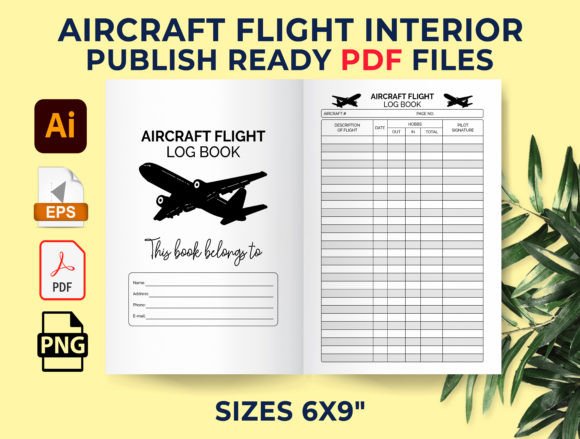
Physically, the logbook measures 6 by 9 inches and contains 120 pages. The interior follows a per-day format that supports simple tracking of flights, time, and operational notes. A unique design element includes an introductory page to set context. The layout avoids bleeds, keeping the design clean and focused on usability. The production files come in multiple formats—PDF, AI, EPS, and PNG—and the high-resolution 300 DPI output produces crisp print quality. KDP testing confirms error-free uploading for those who choose to print on demand.
The core purpose is not regulatory compliance. Official maintenance logs remain the legal record. Instead, this logbook functions as a quick reference, giving pilots immediate access to information such as recent flights, squawks noted by previous pilots, maintenance actions performed, and upcoming inspection due dates. This accessibility reduces the friction of preflight preparation and keeps essential operational context within easy reach.
Why Pilots and Operators Consider This Logbook
Several practical scenarios drive interest in the Aircraft Flight Log Book. For pilots flying multiple aircraft across a fleet, remembering the specific status of each tail number becomes challenging without a system. Part 91 operators, flying clubs, and small charter services often look for lightweight methods to improve information flow between pilots and maintenance personnel. The gap between the official maintenance record and the pilot's preflight briefing creates an opportunity for a supplementary tool.
Another motivating factor is the nature of informal handoffs. When different pilots fly the same airplane, communication about discrepancies or operational quirks may rely on verbal exchanges or scattered notes. A dedicated, accessible logbook kept in the cockpit or flight bag can capture these details consistently. Pilots also value the ability to review a concise operational summary without leafing through thick maintenance binders or logging into a digital platform on the ramp.
The physical dimensions matter here. At 6 by 9 inches, the logbook fits into a flight bag, kneeboard slot, or cockpit side pocket without adding bulk. The 120-page count provides enough space for meaningful tracking without becoming unwieldy. For those who appreciate physical records alongside digital tools, this format offers a tangible, battery-free reference that works in any lighting or connectivity condition.
Practical Benefits and Operational Strengths
Several advantages come with integrating an Aircraft Flight Log Book into regular operations. The most immediate benefit is speed. Rather than locating maintenance logs stored elsewhere, a pilot can open this reference and see recent entries, squawks, and maintenance notes within seconds. This efficiency matters during tight turnarounds or when flying unfamiliar aircraft.
The per-day format structures information progressively, which naturally supports pattern recognition. Repeated squawk entries, gradual increases in oil consumption, or a series of minor discrepancies become visible when entries accumulate chronologically. This visibility can prompt earlier maintenance intervention before a problem escalates. The space for writing notes allows pilots to capture contextual details that may not fit into a form field or maintenance code.
Another strength lies in the flexibility of the format. As a printable product offered in multiple file types, users can add or delete pages as needed. A flying club with ten aircraft might customize the logbook layout to include tail-specific information on each cover or insert supplemental checklists. The lack of bleed means home or office printers produce usable results without special setup, and the 300 DPI resolution ensures text remains readable even at smaller font sizes.
For operators concerned about initial setup, the KDP-tested, error-free printing process lowers the barrier to getting physical copies into the cockpit. The availability of editable vector files means logos, contact information, or aircraft-specific data can be added before printing without degrading quality.
Tradeoffs and Considerations Worth Noting
Every tool involves tradeoffs, and the Aircraft Flight Log Book is no exception. A key consideration is duplication of effort. Pilots already log flight time in personal logbooks, and maintenance personnel update official records. Adding a third record-keeping layer requires discipline. Without consistent use across all pilots who fly the same aircraft, gaps appear that can reduce the logbook's reliability as a status reference.
The physical format also has inherent limitations compared to digital alternatives. Paper logbooks cannot send automatic alerts for upcoming inspections, cannot be searched by keyword, and provide no backup if lost or damaged. For operations already using digital maintenance tracking software, a paper logbook may feel redundant. The value proposition depends heavily on whether the speed of a physical, always-accessible reference outweighs the prompt-free nature of paper.
Another factor involves information security and accuracy. A logbook kept in the cockpit is accessible to anyone with access to the aircraft. While the data is not typically sensitive, entries could be altered or pages removed. Users should view this logbook as a convenience tool, not an authoritative record for legal or maintenance traceability purposes. The official airframe, engine, and propeller logbooks remain the definitive source of truth for inspections, airworthiness directives, and maintenance history.
The 120-page format also poses a question of lifecycle. Depending on flight frequency, the logbook fills up over time. Users need a clear process for archiving filled logbooks and starting fresh ones without losing continuity of the recent history they are meant to capture. Without this process, transitioning from one volume to the next can temporarily obscure the operational picture the logbook is supposed to provide.
When the Aircraft Flight Log Book Is a Strong Fit
Certain operational environments align particularly well with the strengths of this logbook. Flying clubs, where multiple members share a small fleet and communication about aircraft status can be inconsistent, benefit from a standardized place to note discrepancies and review recent usage. The physical presence of the logbook in the cockpit or clubhouse creates a shared reference point that does not depend on email chains or group messages.
Owner-operators of single aircraft who handle their own preflight and maintenance coordination may also find value. When a pilot owns the airplane and interacts directly with the maintenance shop, a concise record of flights, squawks, and observations helps structure conversations with mechanics. The logbook becomes a running summary that supports informed oversight without replacing the formal maintenance logs.
Flight schools represent another potential fit, though with specific constraints. For training aircraft that fly multiple times daily with different students and instructors, a cockpit logbook can capture real-time squawks and track Hobbs or tachometer times between maintenance inspections. The key requirement is a culture of consistent entry across all users, supported by checklists or procedures that make logging a standard part of the post-flight routine.
When Alternatives May Be Worth Considering
For operations where regulatory compliance and detailed maintenance tracking represent the primary need, alternatives deserve evaluation. Dedicated maintenance tracking software provides automated alerts for inspections, airworthiness directives, and service bulletins. These platforms integrate with maintenance workflows and generate reports for regulatory audits. A paper logbook cannot match this depth of functionality.
Larger flight departments or Part 135 operators with formal safety management systems often require data aggregation, trend analysis, and audit trails that exceed what a physical notebook can deliver. In these environments, integrating a supplementary paper logbook may actually complicate processes by introducing a parallel information stream that is not captured in the primary system of record.
Pilots who fly many different aircraft through rental or club arrangements may also find a personal digital logbook more practical than relying on airframe-specific paper records. While the Aircraft Flight Log Book serves the aircraft, not the pilot, individuals who want consistent access to their own flight history across multiple tail numbers will need a separate solution regardless.
Making a Decision That Aligns With Your Operation
Evaluating the Aircraft Flight Log Book comes down to a clear assessment of communication gaps and information accessibility in your specific context. Start by observing how pilots currently access aircraft status before flight. If the process involves a trip to the maintenance hangar, a phone call, or checking a system that is not always available on the ramp, a physical quick-reference logbook may close a meaningful gap.
Consider the culture and habits of the people who will use it. The logbook's value depends on consistent entries from every pilot. If your operation has a track record of maintaining paper checklists or logs reliably, adding this tool is straightforward. If adherence to paper processes is a known challenge, the logbook risks becoming an incomplete record that erodes confidence rather than builds it.
Also evaluate whether the physical format supports or conflicts with your operational rhythm. If pilots routinely carry tablets with dedicated apps, a paper logbook may feel like a step backward. If your flying occurs in environments where devices can overheat, lose charge, or struggle with sunlight readability, a paper reference offers resilience that screens cannot match.
Finally, define the scope of what this logbook is and is not. It is a convenience tool for improving pilot awareness of recent aircraft history. It is not a replacement for official maintenance records, a digital tracking solution, or a regulatory compliance document. Setting this boundary clearly among all users prevents misuse and ensures the logbook occupies a productive, appropriate role in the broader system of aircraft record-keeping.
The decision ultimately rests on whether the speed and accessibility of a physical, always-present reference outweigh the commitment required to maintain it consistently. For many pilots and small operators, that balance tips in favor of having immediate answers to the question every pilot asks before flight: What is the status of this airplane right now?