Nurikabe Puzzle Book for KDP Part 18: Streamlining Your Low-Content Publishing Venture
Publishing a puzzle book on Amazon KDP can be a surprisingly intricate process. Between creating a clean, properly formatted interior, designing a cover that converts, and finding the right keywords to surface your book, plenty of moving parts can slow you down. Nurikabe Puzzle Book for KDP Part 18 enters the picture as a ready-to-use resource that removes a large portion of that friction. It isn't just a puzzle collection—it's a complete interior file, a designed cover, and a keyword spreadsheet bundled into one package. For anyone building a low-content publishing workflow, this type of asset fits neatly into the planning, execution, and optimization stages.
How This Resource Fits into a Real-World Publishing Timeline
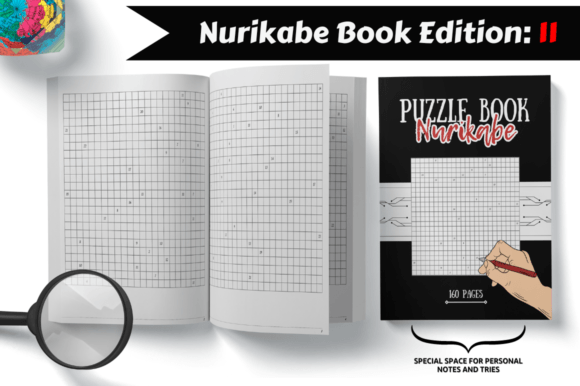
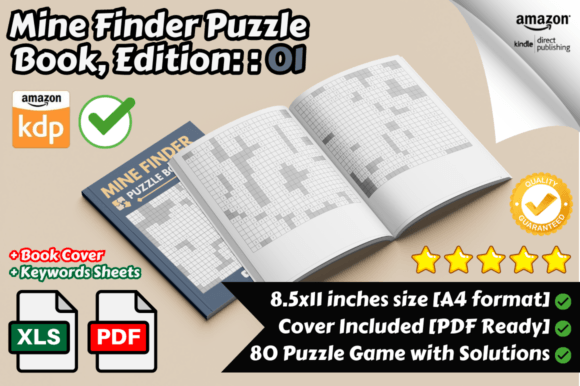
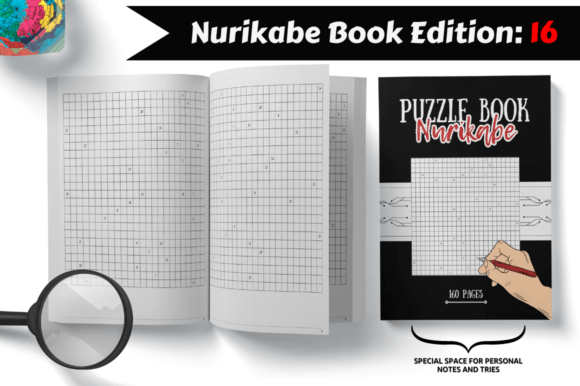
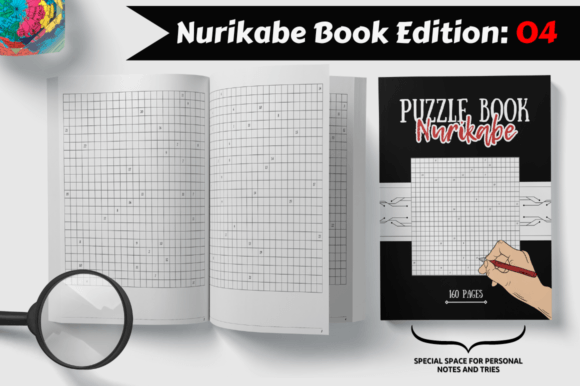
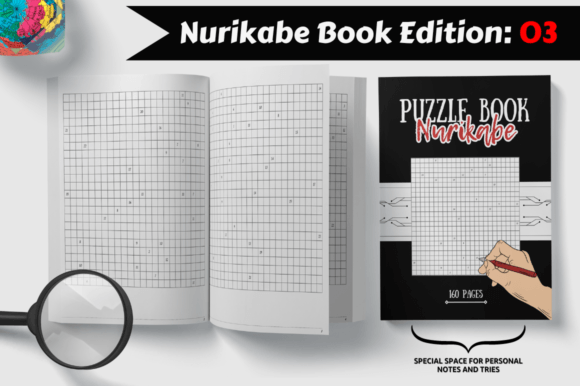
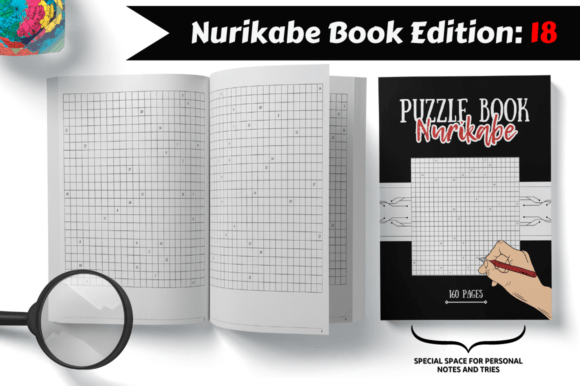
Before you even open KDP's book setup page, the preparation phase typically involves deciding on a puzzle type, sourcing or creating a printable layout, and verifying that the format meets Amazon’s print requirements. Many creators underestimate how long it takes to produce a compliant 8.5x11 interior with proper margins and no bleed issues. With Nurikabe Puzzle Book for KDP Part 18, you skip that entire design sprint. The PDF interior file—160 pages, with 80 pages of Nurikabe puzzles and 80 pages of solutions—is already built to a print-ready standard. This means you can move directly from idea to upload, cutting out the trial-and-error formatting stage that often burns hours.
During the execution phase, once the interior is uploaded and the cover file is in place, the focus shifts to optimizing the listing. The included Excel spreadsheet of carefully curated keywords becomes your immediate starting point for backend search terms and title structuring. Instead of guessing or spending an afternoon on keyword research tools, you have a list that’s already aligned with puzzle book buyers. This turns the listing creation process into a faster, more data-informed task. After the book goes live, the same keyword data can guide your advertising campaigns or A+ Content planning, extending its usefulness beyond the launch day.
Integrating the Puzzle Book with Your Existing KDP Workflow
If you already use tools like Kindle Create, Book Bolt, or even direct PDF uploads, the interior file from Nurikabe Puzzle Book for KDP Part 18 plays well with your current setup. The PDF is sized at 8.5x11 inches, a common trim size for puzzle books, so there’s no need to resize or reflow content. You can upload it directly, preview the print, and approve it without intermediate conversion steps. This compatibility reduces the risk of formatting errors that might otherwise stall your publication.
The cover file, meanwhile, can be treated as a standalone design asset or as a base for further customization. If you have a series of puzzle books and want a consistent brand look, this cover can be modified slightly—adjust the color, subtitle, or author name—while retaining the professional structure. For those using Canva or Photoshop to tweak covers, the provided file serves as a time-saving template rather than a finished product you’re locked into.
Pairing with Keyword and Category Strategies
The Excel spreadsheet doesn’t just list random terms; it’s built to help you target the specific low-content category spaces where Nurikabe books often perform well. When you set up your KDP listing, you can pull from this list to populate the seven backend keyword slots and craft a subtitle that includes high-intent phrases. Many publishers overlook how placement inside niche categories—like “Puzzles” or “Logic & Brain Teasers”—can reduce competition. The keyword data gives you the vocabulary to pursue those placements immediately, without a separate research phase.
Practical Uses Beyond the Standard Launch
Thinking of this resource only as a single KDP title is limiting. The Nurikabe puzzles inside can serve multiple purposes across your broader content or marketing strategy. For example, if you run an email list or blog targeted at productivity-minded adults or educators, you might excerpt a few puzzles as a downloadable lead magnet. The solutions pages ensure you can always provide a complete, trustworthy answer set, which builds credibility with your audience.
Similarly, small business owners or coaches who work with clients on cognitive skills, focus, or stress relief can use selected puzzles during workshops or sessions. The clean layout and clear instructions in the interior make it easy to print on demand. Because the PDF is already formatted for high-quality output, you don’t have to worry about grainy or misaligned pages when sharing physical copies. The puzzle book shifts from being a single product to a flexible component that supports other interactions with your customers or community.
Quality Control and Maintaining Consistency Over Time
One of the hidden costs in low-content publishing is inconsistent quality across titles in a series. When you manually create each puzzle book interior, small variations in font size, grid alignment, or solution placement can creep in. Nurikabe Puzzle Book for KDP Part 18 standardizes these elements. All 80 puzzles follow a uniform layout, the solutions are placed in a predictable pattern, and the overall page count remains balanced. For any publisher trying to build a recognizable brand, this consistency is essential. Customers who buy multiple books from you come to expect a certain level of polish, and a standardized template helps you deliver that without repeatedly reinventing the wheel.
Additionally, the inclusion of solutions on separate pages ensures that the solving experience matches what buyers actually want. Many puzzle enthusiasts get frustrated when answers are crammed into tiny, hard-to-read sections. By dedicating 80 full pages to solutions, you improve the usability. This attention to detail can lead to better reviews and lower return rates—two metrics that directly affect your KDP visibility over time.
Implementation Tips for Immediate Use
If you’re ready to put this resource into practice, start by downloading and reviewing all components before you touch KDP. Open the PDF interior and flip through a few puzzle and solution pages. Check that the margins look correct on your screen and that the page count matches the 160-page specification. This step takes five minutes but prevents uploading an incomplete or corrupted file.
Next, take the cover file and assess how it fits your niche. If you plan to publish multiple Nurikabe books, consider creating a naming convention now—something like “Mindful Nurikabe Vol. 1” or “Relaxing Nurikabe Puzzles for Adults”—so the cover text can be adjusted consistently. Save a master copy of the cover file before making any edits, so you always have the original to fall back on.
Open the keyword Excel sheet and filter or sort the terms by relevance to your specific audience. If you’re targeting seniors, you might prioritize words related to brain health and gentle challenges. If you’re aiming at busy professionals, look for terms like “quick logic puzzles” or “focus activities.” Use these keywords not only in your backend slots but also in your book description and A+ Content, weaving them in naturally rather than stuffing them.
Testing and Iteration
Once your book is live, treat the launch as a learning opportunity. Monitor which keywords drive traffic through your KDP reports. The spreadsheet’s value extends here, because you can map the performance of specific terms back to the list and refine future books’ metadata. If you plan to release additional puzzle book formats—like Sudoku or Kakuro—the process you’ve set up with this Nurikabe title becomes a repeatable framework. You’ll already know how to integrate a pre-made interior, adapt a cover, and deploy targeted keywords, significantly reducing the time to launch your next product.
Long-Term Reusability and Scaling Your Catalog
Unlike a physical inventory item, a digital template used for print-on-demand doesn’t deplete. You can repurpose Nurikabe Puzzle Book for KDP Part 18 in multiple ways over the coming months. Maybe you release a large-print edition by adjusting the interior slightly, or you combine several puzzle types into a variety book where this Nurikabe section becomes one chapter. The core components—the puzzle designs, the solution layout, and the keyword foundation—remain valuable building blocks.
For freelancers and agencies that manage KDP accounts for clients, this bundle is a practical shortcut. Instead of commissioning custom puzzle interiors for each client, you can license a proven, ready-to-use file and focus your billable hours on cover personalization and marketing strategy. The keyword spreadsheet alone can save hours of manual research per project, making your service more efficient without cutting corners on quality.
In the broader context of low-content publishing, Nurikabe Puzzle Book for KDP Part 18 illustrates a smarter way to work: leverage existing, well-designed assets, and allocate your creative energy to the parts of the business that truly benefit from a human touch—like audience engagement, branding, and strategic growth. Whether you’re publishing your first puzzle book or adding to an established catalog, integrating resources that handle the heavy technical lifting frees you up to execute with greater speed and confidence.