What to Know Before Using the Nurikabe Puzzle Book for KDP Part 04 Template
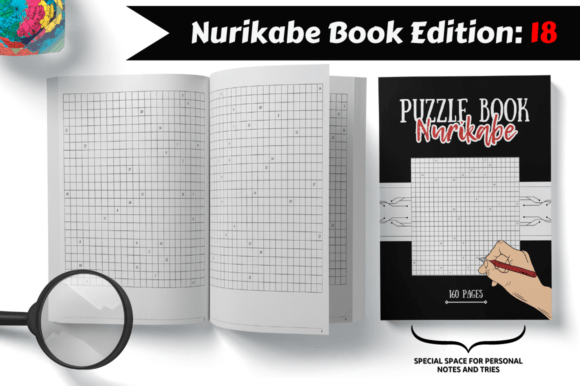
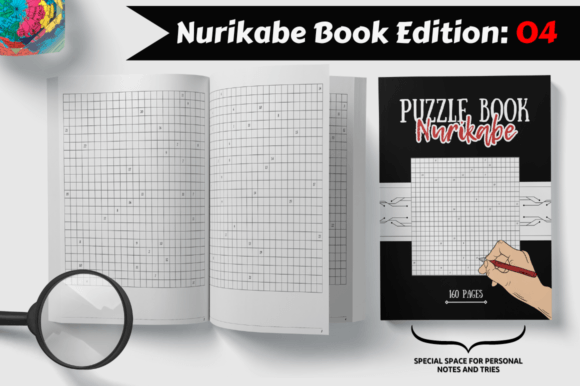
Publishing a puzzle book on Amazon KDP sounds straightforward. You find a niche, grab a template, and upload your files. The Nurikabe Puzzle Book for KDP Part 04 package offers exactly that kind of shortcut. It comes with a 160-page PDF interior, an even split of puzzles and solutions, a pre-made cover file, and a keyword spreadsheet to help your listing. At first glance, it seems like a plug-and-play solution for anyone wanting to enter the low-content publishing space with a logic puzzle that has genuine fan demand.
But experienced self-publishers know that templates are tools, not magic wands. How you evaluate them, prepare them, and position them determines whether your book sells or sinks. The following observations come from watching many creators rush into KDP with good intentions and stumble over details that could have been avoided with a bit of upfront care.
Why the Nurikabe Puzzle Book for KDP Part 04 Catches Attention
Nurikabe itself is a compelling puzzle. It originates from Japan and tasks solvers with shading cells to create islands of specific sizes, following logical constraints. Unlike Sudoku or word searches, Nurikabe still feels relatively fresh in the English-language puzzle book market. That novelty factor is part of what makes this Nurikabe Puzzle Book for KDP Part 04 template appealing. It targets a puzzle that has a dedicated but not yet oversaturated following.
The package structure also aligns with what KDP creators actually need. An 8.5 by 11 inch format prints well and meets customer expectations for a substantial puzzle book. The equal page count between puzzles and solutions — 80 pages each — signals that the product respects the solver's experience. Nobody enjoys flipping to the back of a book only to find cramped or incomplete answer keys.
The inclusion of a keyword spreadsheet is another practical touch. Many template sellers skip this step entirely, leaving their buyers to guess at search terms. Having a starting point for Amazon's backend keywords can save hours of research, especially for someone publishing in the puzzles and games category for the first time.
Overlooking Puzzle Difficulty Calibration
One of the fastest ways to frustrate buyers is mismatched difficulty. A puzzle book that claims to suit beginners and experts alike without clear labeling creates confusion. The Nurikabe Puzzle Book for KDP Part 04 interior provides the puzzles, but it does not automatically tier them by difficulty in a visible, customer-facing way unless you add that framing yourself.
Imagine someone new to Nurikabe opening your book and facing a 10x10 grid with minimal starting clues on page one. They may close the book and return it. Conversely, an experienced solver who breezes through fifty easy puzzles might leave a review saying the book lacked substance. Both outcomes hurt your listing's performance.
Before publishing, take time to assess the puzzle progression. Even if the template provides a set order, you can add a brief difficulty indicator on each page or group puzzles into labeled sections. A small note like "Beginner," "Intermediate," or "Expert" at the top of each puzzle page makes an enormous difference in user satisfaction. You might also include a one-page introduction explaining what each level means so expectations are set from the start.
Neglecting the Interior Layout Details
Buyers often judge puzzle books by how easy they are to write in. Cramped grids, tiny margins, and faint print all lead to returns. The Nurikabe Puzzle Book for KDP Part 04 uses an 8.5 by 11 inch page, which provides generous space. However, the way the PDF renders on different devices during the KDP preview process can shift margins unexpectedly.
A common mistake is uploading the interior file without checking a physical proof or carefully inspecting the online previewer at 100% zoom. KDP's print-on-demand machinery requires specific bleed and margin settings. If the PDF is not perfectly aligned, puzzle grids could sit too close to the spine or get trimmed at the edges.
Order a printed proof when possible. Hold the book in your hands and pencil in a few puzzles. Check that numbers and grid lines are crisp, that the paper handles light erasing without tearing, and that the binding does not make it hard to write near the inner margin. These tactile factors weigh heavily in puzzle book reviews, and addressing them before launch protects your star rating.
Using the Cover File Without Customization
The package includes a designed cover file, which saves time and design costs. But consider how many other publishers might use that same file without modification. If five people list nearly identical Nurikabe books in the same month, the ones that blend into the search results will struggle to gain visibility.
Think of the cover as your starting canvas rather than the finished product. You can alter the color palette, switch up the typography, or add a subtitle that sharpens your positioning. Instead of "Nurikabe Puzzle Book," try something like "Nurikabe Puzzles for Relaxation: 80 Japanese Logic Grids with Full Solutions." That small shift adds specificity and emotional resonance.
Also, verify that any text on the cover remains legible at thumbnail size. Most Amazon shoppers see your cover at roughly the size of a postage stamp on their phone screen. If the puzzle grid preview or subtitle becomes a blurry smudge, you lose the chance to communicate value in the critical first glance.
Skipping the Solution Check Process
Puzzle book creators sometimes trust that a purchased template has flawless answer keys. The Nurikabe Puzzle Book for KDP Part 04 provides 80 pages of solutions, which is thorough. Yet even well-made templates can contain errors introduced during file conversion, formatting adjustments, or page reordering.
Spot-check at least ten percent of the solutions. Choose puzzles from the beginning, middle, and end of the book. Compare each solution against the puzzle grid systematically. If you find even one mismatch, the likelihood of additional errors rises. Puzzle solvers take accuracy seriously, and a single incorrect solution can generate a negative review that mentions the book is "broken" — language that deters future buyers.
If you lack the time or confidence to verify every puzzle yourself, consider hiring a puzzle enthusiast on a freelance platform to audit the book. The small investment often pays for itself by preventing reputation damage.
Misunderstanding the Keyword Spreadsheet's Role
The included Excel spreadsheet with curated keywords is a helpful starting point, not a finished strategy. Amazon's search algorithm responds to how keywords are arranged in your title, subtitle, and backend fields. Copying the spreadsheet entries verbatim into your listing without tailoring them can leave you competing on broad, high-competition terms where established books dominate.
Use the spreadsheet as a research springboard. Plug the suggested terms into Amazon's search bar and observe the autocomplete suggestions. Those autocomplete phrases reflect real shopper behavior and often reveal long-tail keywords with lower competition. For instance, instead of targeting only "Nurikabe puzzle book," you might discover that "Nurikabe puzzle book for adults large print" or "Japanese logic puzzles for relaxation" have steady search volume and fewer competing titles.
Also, remember that your subtitle carries significant keyword weight on Amazon. Weaving two or three of your best search terms into a natural, readable subtitle tends to outperform keyword-stuffed phrases that look robotic. A subtitle like "80 Japanese Island Puzzles with Full Solutions for Adults and Teens" reads smoothly while capturing relevant search intent.
Forgetting the A+ Content Opportunity
Many KDP publishers stop at the listing basics and never add A+ Content — the enhanced product description with images and formatted text available through Brand Registry. If you have access to A+ Content, or plan to enroll in Brand Registry, the Nurikabe Puzzle Book for KDP Part 04 interior pages and cover design can serve as source material for compelling visual modules.
Show a sample puzzle page with a callout explaining the rules. Include a side-by-side comparison of a puzzle and its solution. Add a short module about the benefits of logic puzzles for mental sharpness. These visual elements reduce buyer hesitation by letting shoppers see exactly what they are getting, which is especially valuable for a puzzle type that some buyers may not yet know by name.
Without A+ Content, you rely entirely on the main description text, which many mobile shoppers never expand. Investing the time to build even the simplest A+ layout can lift conversion rates noticeably.
Rushing to Publish Without a Competitive Review
Before finalizing your book, spend half an hour studying the top ten Nurikabe books already selling on Amazon. Note their cover styles, pricing, page counts, and review sentiments. Look specifically at the negative reviews across competing titles. Those complaints are a roadmap to what buyers do not want — and what your book can do better.
You may notice patterns like "wished there were more easy puzzles," "solutions were too small," or "paper quality made it hard to erase." Use these insights to position your Nurikabe Puzzle Book for KDP Part 04-based product as the answer to those frustrations. If competitors skimp on solution clarity, emphasize your full-page solution spreads. If others lack instructions, add a crisp rules page at the front of the book.
This competitive awareness also helps you price intelligently. Underpricing can signal low quality, while overpricing without perceived added value limits impulse purchases. Study the pricing sweet spot for similar page counts and formats, then decide where your book fits.
Practical Steps Before You Hit Publish
To make the most of this template, work through a short checklist. Confirm that the PDF interior is formatted to KDP's required trim size with proper margins. Verify puzzle accuracy through spot-checking or an audit. Customize the cover at least enough to differentiate your listing. Add difficulty labels or a brief progression note so buyers know what to expect. Refine the keyword strategy beyond the provided spreadsheet. And if possible, create A+ Content to visually introduce the puzzle to shoppers who are unfamiliar with Nurikabe.
The Nurikabe Puzzle Book for KDP Part 04 package handles much of the heavy lifting on content creation, but the gap between a template and a top-selling puzzle book lives in the details. Paying attention to calibration, presentation, accuracy, and positioning transforms a generic interior into a product that reads as thoughtful and professionally crafted. Puzzle buyers are a discerning audience. They appreciate clean design, clear instructions, and the confidence that solutions are correct. When your book delivers on those expectations, it earns repeat customers who trust your brand for their next puzzle purchase.