Understanding the Lesson Planner Logbook: A Complete Guide for Educators, Homeschoolers, and KDP Publishers
In a world where organization can make or break a successful learning experience, the lesson planner logbook has become an indispensable tool for teachers, homeschooling parents, tutors, and even students who want to take control of their educational journey. But beyond its practical use in the classroom or at home, the lesson planner logbook has also carved out a significant niche in the self-publishing industry, particularly through Kindle Direct Publishing (KDP). Whether you are an educator searching for the perfect planning system or a content creator looking to design a market-ready interior, understanding the full scope of what a lesson planner logbook offers is essential.
What Exactly Is a Lesson Planner Logbook?
At its core, a lesson planner logbook is a structured journal designed to help organize, track, and reflect on instructional sessions. It goes far beyond a simple notebook by providing dedicated spaces for recording lesson objectives, daily or weekly schedules, student progress notes, materials lists, assessment results, and reflective observations. Some versions also include attendance trackers, grade recorders, goal-setting pages, and monthly overviews.
The term lesson planner log book can be used interchangeably with several related names such as lesson planner book tracker, planner diary lesson, or lesson planner notebook. What unites all these variations is the central idea of bringing structure and intentionality to the teaching process. In the context of KDP interiors, these logbooks are typically created as low-content or medium-content books—formatted templates that buyers can use to fill in their own information over the course of a semester, school year, or homeschool term.
The Purpose and Significance of a Lesson Planner Logbook
Why has the lesson planner logbook become such a staple in both physical and digital marketplaces? The answer lies in its multifaceted utility. For classroom teachers, it serves as a daily anchor, ensuring that curriculum standards are met and that no lesson falls through the cracks. For homeschooling parents, it becomes both a legal record of instruction and a personal roadmap for their child's education. For students—particularly those in higher education or independent study programs—it functions as a self-management tool that builds accountability and time management skills.
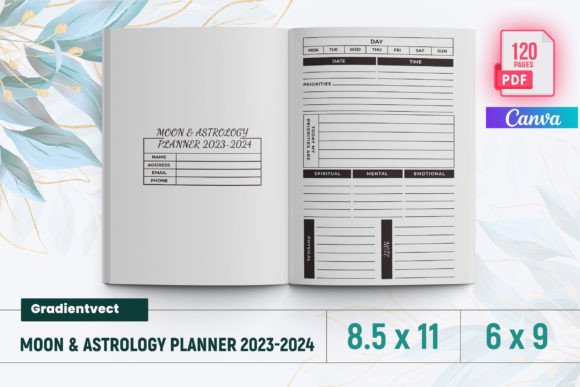
From a self-publishing perspective, the Lesson Planner Logbook KDP Interior product represents a smart entry point into a consistently in-demand niche. Education is a perennial topic, and teachers and parents are always on the lookout for well-designed organizational tools. The availability of editable source files, vector formats like AI and EPS, and multiple PDF page count options—such as 100 Pages PDF File, 110 Pages PDF File, and 120 Pages PDF File—gives publishers the flexibility to cater to varied customer preferences without rebuilding the design from scratch.
How Lesson Planner Logbooks Fit Into Modern Life and Education
The educational landscape has shifted dramatically in recent years. The rise of remote learning, hybrid classrooms, and the explosive growth of homeschooling have all contributed to a renewed emphasis on personal organization. A homeschool lesson planner KDP interior, for instance, is tailored specifically for parents who must juggle multiple grade levels, subjects, and state reporting requirements. Meanwhile, a daily teacher planner designed for classroom professionals often includes period-by-period breakdowns, seating chart spaces, and parent communication logs.
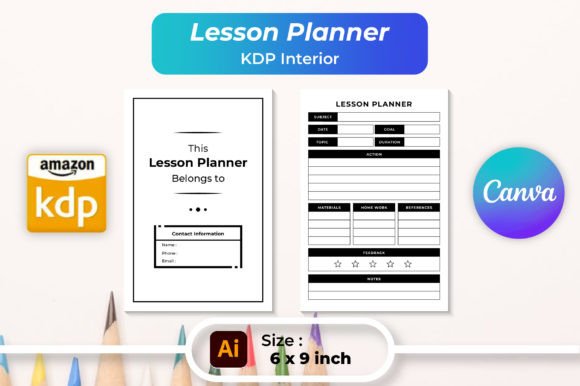
This adaptability makes the lesson planner logbook more relevant than ever. It bridges the gap between analog and digital by offering a tangible, distraction-free environment for planning—something that studies have shown can improve memory retention and reduce cognitive load. The online study planner may have its place, but many users still crave the tactile satisfaction and focused mindset that comes with writing out plans by hand. The print-ready nature of KDP interiors, typically formatted at 6 x 9 inches with 300 DPI resolution, ensures that the final product looks professional and is comfortable to use.
Practical Relevance for Teachers and Homeschoolers
Imagine a homeschool parent starting a new academic year. Without a structured logbook, tracking which math concepts have been covered, noting areas where a child struggles, and documenting hours for state compliance can quickly become chaotic. A lesson planner book record solves this by offering dedicated fields for each of these tasks. The parent can flip back through weeks of entries to see patterns, adjust pacing, and compile a portfolio if needed.
For a classroom teacher, the value is equally clear. A student teacher planner or organizer teacher planner becomes a hub for all instructional activities. It might contain sections for:
- Weekly lesson outlines with standards alignment
- Formative assessment results to guide reteaching
- Differentiation notes for diverse learners
- Supplies and materials checklists to streamline prep
- Reflective journaling space for professional growth
These features elevate the planner from a simple calendar to a comprehensive instructional companion. The ability to customize pages using editable source files—such as the AI or EPS vector formats often included in KDP interior packages—means that publishers can tailor these sections precisely to their target audience, whether that is elementary school teachers, high school department heads, or homeschooling co-op leaders.
The KDP Publishing Opportunity: What Makes a Great Interior
For content creators exploring the low-content publishing space, the lesson planner logbook niche offers several advantages. It is evergreen, emotionally connected to important life activities, and benefits from strong search volume throughout the year—with predictable spikes before each new school term. A high-quality KDP interior for a lesson planner must meet specific technical standards to ensure customer satisfaction and positive reviews.
Key specifications often include 300 DPI resolution for crisp printing, a trim size of 6 x 9 inches that fits comfortably in bags and on desks, and the ability to be resized without loss of quality. The inclusion of multiple SVG and PNG files allows for easy integration into various design workflows. Additionally, offering page count variations—such as the commonly bundled 100 Pages PDF File, 110 Pages PDF File, and 120 Pages PDF File—gives publishers immediate options for creating planners that suit different durations, from quarter-long courses to full academic year coverage.
Common Misunderstandings About Lesson Planner Logbooks
One frequent assumption is that a lesson planner logbook is only useful for professional teachers. In reality, its applications extend much further. Tutors use them to track client sessions and measure progress over time. Music instructors adapt them to note repertoire assignments and practice goals. Even parents who are not formally homeschooling might use a simplified version to organize after-school enrichment activities, summer learning plans, or co-op responsibilities.
Another misconception is that low-content book creation lacks creativity. On the contrary, designing an effective lesson planner book journal interior requires a deep understanding of user needs, thoughtful layout design, and careful attention to flow. The planner must feel intuitive, offer enough space for meaningful notes, and avoid overwhelming the user with unnecessary clutter. The best designs strike a balance between structure and flexibility, providing prompts that guide without constraining.
Key Features That Elevate a Lesson Planner Logbook
When evaluating or designing a lesson planner interior, certain elements stand out as particularly valuable. These features cater to both the practical demands of planning and the psychological need for motivation and reflection:
- Year-at-a-Glance Pages: Allow users to map out major holidays, school breaks, and long-term project deadlines.
- Monthly and Weekly Spreads: Provide both macro and micro views of instructional time.
- Dedicated Subject Sections: Help compartmentalize different areas of study for quick reference.
- Student Progress Trackers: Turn anecdotal observations into actionable data over time.
- Resource and Supply Logs: Prevent last-minute scrambles for materials and equipment.
- Reflection Prompts: Encourage continuous improvement by asking questions like "What worked well this week?" or "What needs adjustment?"
For KDP creators, the availability of editable templates and vector source files makes it possible to incorporate these features seamlessly. Being able to customize the interior means that a single base design can spawn multiple niche versions—a homeschool lesson planner variant, a student lesson planner version, and an organizer planner for teachers edition, each with slight modifications to the headings and supplementary pages.
The Growing Demand for Customizable Educational Tools
As education becomes increasingly personalized, the one-size-fits-all approach has lost favor. This trend drives demand for planners that can adapt to unique teaching philosophies and learning environments. A Montessori educator might want a logbook that emphasizes observation and child-led activity tracking. A classical education homeschooler might prefer sections aligned with the trivium. The editable KDP interior model supports this diversity, empowering publishers to serve micro-niches that large commercial brands often overlook.
Technology plays a complementary rather than competing role here. While apps exist for virtually every organizational need, many users report that digital tools contribute to screen fatigue and distraction. A planner interior that results in a physical book offers a deliberate, mindful alternative. It becomes an artifact of a learning journey—something that can be looked back on with satisfaction, shared during portfolio reviews, or even kept as a keepsake documenting a child's educational milestones.
How to Choose the Right Lesson Planner Format
For end users, selecting the right logbook depends on several factors. The number of students being taught, the subjects covered, and the preferred level of detail all play a role. A daily teacher lesson planner with granular hourly breakdowns suits a traditional school schedule, while a weekly overview might better serve a homeschool family with a flexible routine. Page count matters too—someone teaching a short summer course would likely prefer a 100-page version, whereas a full-time teacher might gravitate toward the more expansive 120-page option.
For publishers entering this space, the decision revolves around audience definition and design execution. The custom KDP interior route allows for rapid iteration and testing of different layouts, cover designs, and niche angles. A product that includes high-quality source files—including AI, EPS, SVG, PNG, and JPG formats—provides maximum flexibility. The assurance of print-ready formatting and standard dimensions such as 6 x 9 inches removes technical obstacles, letting the publisher focus on marketing and product positioning.
Conclusion: A Timeless Resource in a Changing World
The lesson planner logbook occupies a unique space at the intersection of education, organization, and creative entrepreneurship. It offers tangible value to anyone invested in the teaching and learning process—from the seasoned classroom professional to the first-time homeschooling parent, from the music tutor to the independent student. Simultaneously, it presents a genuine opportunity for KDP publishers to create products that make a meaningful difference in people's lives while building a sustainable business.
Understanding the nuances of this niche—why people use these logbooks, what features they value most, and how to present them in a polished, professional format—is the foundation for creating a successful product. Whether you are looking to purchase a planner that will bring order to your educational endeavors or to publish a lesson planner book tracker that stands out in the marketplace, the principles remain the same: clarity, usability, and thoughtful design always win. In an era of constant digital noise, the quiet reliability of a well-crafted paper planner continues to hold its ground, proving that some tools are timeless simply because they work.